You know the feeling. Someone in the office sniffles on Tuesday, and by Friday you’re the one hunched over a mug of lemon tea, wondering why it’s always you. It’s tempting to blame bad luck, or to reach for a miracle supplement promising to “supercharge” your defences. But here’s the honest truth: no single food, pill or potion transforms your immune system overnight. What actually moves the needle is a set of ordinary habits, repeated consistently, that give your body the resources it needs to do its job. Natural ways to boost your immune system aren’t dramatic. They’re boring, cheap, and surprisingly effective.
This isn’t about selling you anything. It’s about understanding what your immune system actually does, and where your daily choices either help or hinder it.
What Your Immune System Actually Does
Your immune system isn’t a single organ you can strengthen like a muscle. It’s a sprawling network of cells, tissues and chemical signals spread throughout your body. It includes physical barriers like your skin and the mucus lining your airways, patrolling cells that hunt down invaders, and a memory system that recognises pathogens you’ve met before.
When it works well, you barely notice it. When it’s depleted, you notice constantly: colds that linger, wounds that heal slowly, a general sense of running on empty. The goal isn’t to make it “stronger” in some vague sense. An overactive immune system is behind allergies and autoimmune conditions. The goal is balance and resilience, and that depends heavily on how you live.
Sleep, food, movement, stress and basic hygiene all feed into this system. None of them is a magic bullet, but together they form the foundation. Let’s take them one at a time.
Sleep: The Most Underrated Immune Habit
If you only change one thing, make it this. Sleep is when your body repairs tissue, consolidates immune memory and releases proteins that help fight infection. Cut it short and you’re effectively asking your defences to work a double shift with half the staff.
Adults generally need somewhere between seven and nine hours, though the exact number varies. The quality matters as much as the quantity. A restless eight hours can leave you worse off than a solid seven. Practical steps that help: keep a consistent wake time, even at weekends; get some daylight in the morning to anchor your body clock; and give yourself a wind-down period without bright screens in the hour before bed.
There’s a reason people who sleep poorly seem to catch everything going. It’s not imagination. It’s biology. If you’re chronically short on sleep, fixing that will likely do more for you than any supplement on the shelf.
Food, Drink and the Nutrients That Matter
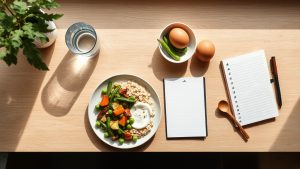
No food boosts immunity on its own, but a consistently varied diet gives your immune cells the raw materials they need. Think of it as stocking a kitchen rather than taking a single magic ingredient.
Vitamin C gets all the attention, and it does play a role in immune function, but megadoses don’t prevent colds in most people. What matters more is getting enough from everyday sources: citrus fruit, peppers, broccoli, kiwi, potatoes. Vitamin D is the one many people in northern climates are short on, especially through winter, since sunlight is the main source. Oily fish, eggs and fortified foods help, and some people benefit from a supplement during darker months.
Zinc supports immune cell development and is found in meat, beans, nuts and whole grains. Iron, folate and vitamin B12 matter too, particularly if you eat a restricted diet. The pattern here is variety, not obsession. A plate with colour, fibre and some protein will do more than a shelf of pills.
Don’t overlook hydration. Your immune system depends on blood and lymph fluid to move cells around the body, and both need water. Herbal teas, water and watery foods all count. Alcohol, on the other hand, disrupts sleep and can impair immune function, so keeping it occasional rather than nightly is a genuine lever.
Gut health deserves a mention too. A large share of your immune tissue sits in your digestive tract, and a diverse diet rich in fibre, fermented foods like yogurt and kefir, and plenty of plants feeds the bacteria that support it. You don’t need an expensive probiotic. You need onions, garlic, oats, beans and a bit of variety.
Movement, Stress and Everyday Hygiene
Regular moderate exercise is one of the most reliable immune supporters we know of. It improves circulation, helps immune cells patrol more efficiently, and reduces stress hormones. You don’t need to become an athlete. A brisk walk most days, some cycling, swimming or dancing, anything that raises your heart rate for twenty to thirty minutes, is enough. The key word is moderate. Extreme endurance training without adequate recovery can temporarily suppress immunity, so more isn’t always better.
Stress is the quiet saboteur. Short bursts are fine, but chronic stress keeps cortisol elevated, which over time dampens immune responses and makes you more vulnerable to infection. You can’t eliminate stress, but you can blunt it. Slow breathing, a few minutes of quiet, time outdoors, talking to a friend, or simply protecting your sleep all help. Even a ten-minute walk after a difficult meeting can shift your physiology.
Then there’s hygiene, which sounds unglamorous but works. Washing your hands properly with soap and water, especially before eating and after being in busy public spaces, removes pathogens before they reach your mucous membranes. Avoid touching your face when you can. Keep shared surfaces reasonably clean. These habits won’t make headlines, but they cut your exposure to the viruses that cause most common colds.
One more often-overlooked factor: connection. Loneliness and social isolation are linked with poorer immune outcomes, while supportive relationships seem to help. That coffee with a colleague or a phone call with a friend isn’t just nice. It’s part of the picture.
What to Skip: Supplements That Overpromise
Walk into any pharmacy and you’ll see shelves of products claiming to “support” or “boost” immunity. Most of them are unlikely to help if you’re already reasonably healthy and well-fed. High-dose vitamin C, echinacea, garlic pills and various herbal blends have been studied for decades, and the results are consistently modest at best. Some may slightly shorten a cold if taken right at the start, but none prevents illness in any meaningful way.
Colloidal silver is a particular one to avoid. It can cause permanent skin discolouration and offers no proven benefit. “Immune boosters” that claim to ramp up your defences are working from a flawed idea anyway, since an overstimulated immune system is not a good thing.
Supplements aren’t useless across the board. If you have a diagnosed deficiency, a doctor may recommend specific nutrients. Vitamin D is a reasonable example for people with low levels or limited sun exposure. But for most people, the money is better spent on good food, decent sleep and a pair of walking shoes.
So, can you really use natural ways to boost your immune system? Yes, but not in the way the marketing suggests. There’s no switch to flip, no single ingredient that changes everything. What works is unglamorous and cumulative: sleep you protect, food that’s varied and mostly unprocessed, movement you enjoy, stress you manage, hands you wash, and people you stay close to. Start with the one that’s most out of balance for you, give it a few weeks, and build from there. Your immune system doesn’t need a miracle. It needs you to stop undermining it.