How Many Hours Should You Set Aside for a Desentupidora Guaianases São Paulo SP Visit?
Most guides about drain unblocking start with the clog itself. The detail they skip is time: how long you must actually be available at the property, how long a technician needs to diagnose and clear the line, and how much of your day disappears if the first visit turns into a return appointment. If you are searching for a desentupidora Guaianases São Paulo SP, the practical answer is usually a window of two to four hours for a standard residential call, longer if the blockage sits in the main sewer line or requires hydrojetting equipment.
Understanding what happens before the crew arrives makes that window realistic rather than optimistic. This is a preparation-first look at the job: what the company needs from you, what the procedure involves once the equipment is on site, and which checks protect you from paying twice for the same problem.
What must be ready before the team arrives in Guaianases
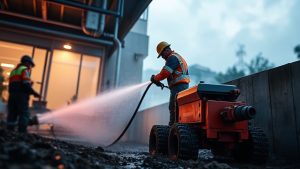
Emergency plumbing in a dense São Paulo district like Guaianases is rarely slowed down by the equipment. It is slowed down by access. A truck-mounted hydrojetting unit needs a legal parking spot near the entrance, and the technician needs a clear path from the street to the affected drain. Preparing those two things before the call can cut a significant amount of time from the visit.
Confirm the exact address, the building access rules, and whether the property has a concierge, gate code, or service elevator restriction. In condominiums, the síndico or building manager is usually the person who authorizes work on shared stacks and must be reachable during the visit. If nobody can approve access to the riser or the garage drain, the crew may have to leave and reschedule.
Information the dispatcher will ask for
- The type of fixture backing up: toilet, shower, kitchen sink, laundry drain, floor drain, or several at once.
- Whether the backup is clean water, grey water, or sewage with solids and odor.
- How many floors the building has and where the affected drain sits relative to the street level.
- Whether the property has a septic tank, a grease trap, or a direct connection to the public network.
- Any previous unblocking work, including the date and method used.
This information matters because sewage backing up across multiple fixtures points to a main-line obstruction, while a single slow sink usually means a local trap or branch line. The two jobs use different tools and different amounts of time. A desentupidora Guaianases crew can prepare the correct equipment before leaving the base only if the dispatcher knows which scenario applies.
Access and safety requirements
Clear the area around the drain and remove anything that blocks the cleanout cap. If the cleanout is behind a cabinet, a washing machine, or stored boxes, move them beforehand. Technicians will not dismantle furniture or move heavy appliances unless that was agreed when the job was scheduled.
Keep children and pets away from the work area. Sewage backups release aerosols and bacteria, and the equipment produces noise and splashing. A working cleanout access point is the single biggest time-saver in any unblocking job, because it lets the technician work from outside the fixture instead of removing a toilet or opening a wall.
How the procedure actually runs, step by step
Once the technician arrives, the visit follows a predictable sequence. Knowing it helps you judge whether the quoted time is reasonable and whether the crew is doing the job properly.
- Inspection and diagnosis. The technician confirms which line is blocked, checks nearby drains, and looks for signs of root intrusion, grease buildup, or collapsed pipe.
- Protection of the area. Floors and nearby surfaces are covered, and the work zone is isolated.
- Mechanical clearing. A drain snake or auger is fed into the line to break up the obstruction. For grease, scale, and sediment, hydrojetting uses high-pressure water to scour the pipe walls.
- Verification. Water is run through the line to confirm flow, and the technician checks that no secondary fixture is still backing up.
- Cleanup and reporting. The area is cleaned, and the technician explains what caused the blockage and what to watch for.
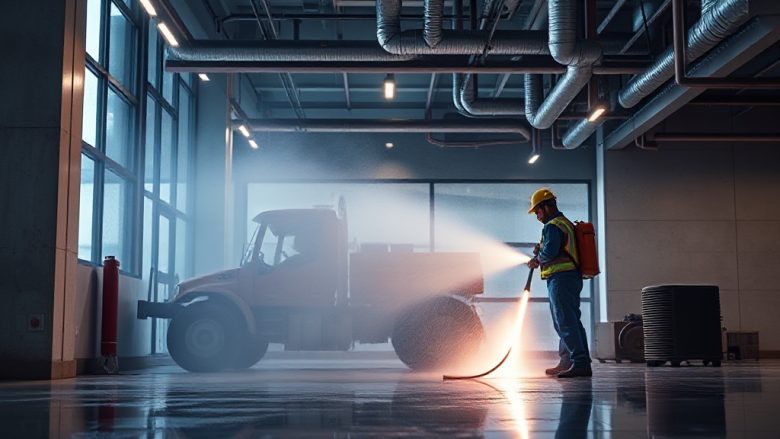
Hydrojetting takes longer than simple snaking because the equipment must be set up, hoses run, and pressure adjusted to the pipe material. On older properties in Guaianases, where clay or cast-iron pipes may be fragile, the technician may need to reduce pressure or switch to a gentler method. That decision protects the pipe but adds time.
When the job needs more than one visit
Some blockages cannot be solved in a single appointment. If the camera inspection reveals a collapsed section, a severe root mass, or a pipe that has shifted, the crew will clear what it can and recommend a repair. In that case, the unblocking visit is diagnostic as much as corrective. Ask for the camera footage or a written description of the problem so the next professional does not repeat the same investigation.
Septic tank cleaning is another case where time depends on volume. A full tank requires pumping, and the truck must be able to reach the tank access. If the property has a fossa séptica that has not been serviced in years, expect a longer appointment and a higher disposal cost.
What to check before you approve the work
Preparation is not only about clearing space. It is also about protecting yourself commercially. Before the technician starts, confirm the price for the visit and whether it includes diagnosis, unblocking, and cleanup. Ask whether the quote changes if the blockage turns out to be in the main line rather than a branch.
Request the company’s registration details and confirm that the team carries proper equipment and identification. A legitimate desentupidora em Guaianases São Paulo SP will provide a clear scope of work and a contact number for follow-up. Be cautious with any provider that quotes a very low callout fee and then adds charges once the equipment is on site.
A simple comparison of common methods
| Method | Best for | Typical time on site | Main limitation |
|---|---|---|---|
| Manual snake or auger | Local clogs in sinks, toilets, and branch lines | 30 to 90 minutes | Does not remove grease or scale from pipe walls |
| Hydrojetting | Grease, sediment, roots, and main-line buildup | 1 to 3 hours | Requires access and suitable pipe condition |
| Septic tank pumping | Full fossa séptica | 1 to 2 hours plus disposal | Depends on truck access and tank volume |
Use this as a rough planning tool, not a guarantee. Every property differs, and the technician’s on-site assessment is what determines the final method.
Mistakes that turn a short visit into a long one
The most common mistake is waiting until the backup becomes a flood. A slow drain that has been ignored for weeks usually means a larger obstruction and a longer clearing job. Call when the first fixture starts draining slowly, not when sewage is already on the floor.
Another frequent error is pouring chemical drain cleaners into a blocked line. These products can damage older pipes, harm the technician’s equipment, and create hazardous fumes. They also rarely solve main-line blockages. Mechanical clearing is the reliable route.
Finally, do not authorize work on a shared building line without informing the síndico. Unauthorized work on common pipes can create liability for the resident and may need to be redone under the building’s maintenance contract. Written approval for shared-line work protects everyone involved and prevents a return visit that nobody planned for.
After the visit: checks that prevent a repeat call
Once the line is flowing, ask the technician what caused the blockage and whether the pipe showed signs of damage. If the answer is grease, roots, or a sagging section, you now have a maintenance item rather than a one-off emergency. Preventive hydrojetting on a schedule is cheaper than repeated emergency callouts, especially for restaurants, condominiums, and buildings with older plumbing.
Keep a record of the date, method, and any camera findings. If the same drain blocks again within a few months, that record tells the next professional where to look first. It also helps a building manager justify a repair rather than another temporary clearing.
For residents and managers in Guaianases, the realistic plan is simple: prepare access, describe the problem accurately, confirm the scope and price before work begins, and keep the report afterward. Do that, and the visit stays inside the expected window instead of stretching into a second day.